skincare routine
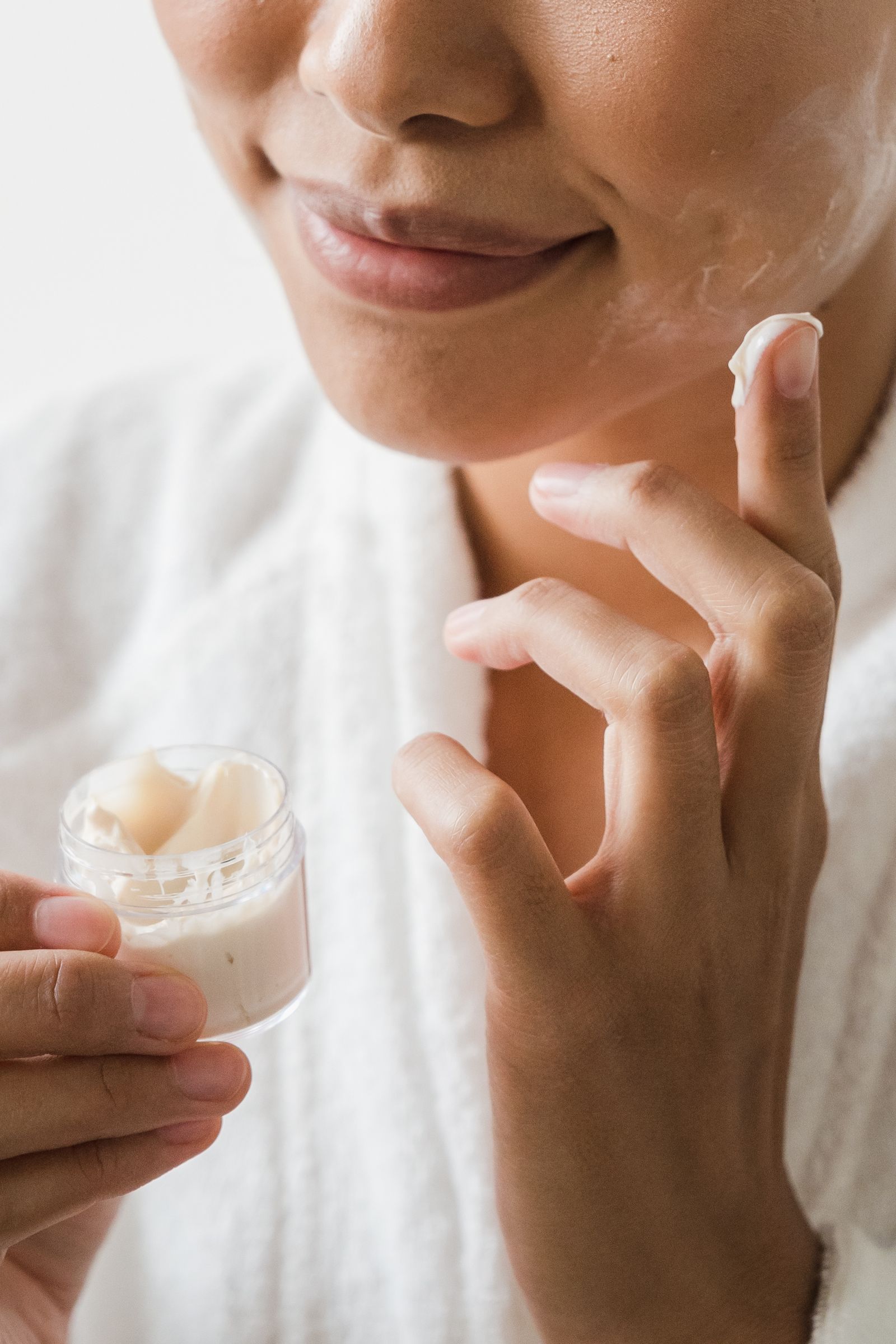
Skincare routine: the right order for a simple, complete routine
A practical guide to what comes first, what follows, and why an effective routine does not need to become a maze.
Read the guide →Useful, readable skincare guides on ingredients, routines, skin and cosmetic culture.
An editorial library built around the questions people actually search for, without turning every article into an advert.
A practical guide to what comes first, what follows, and why an effective routine does not need to become a maze.
Read the guide →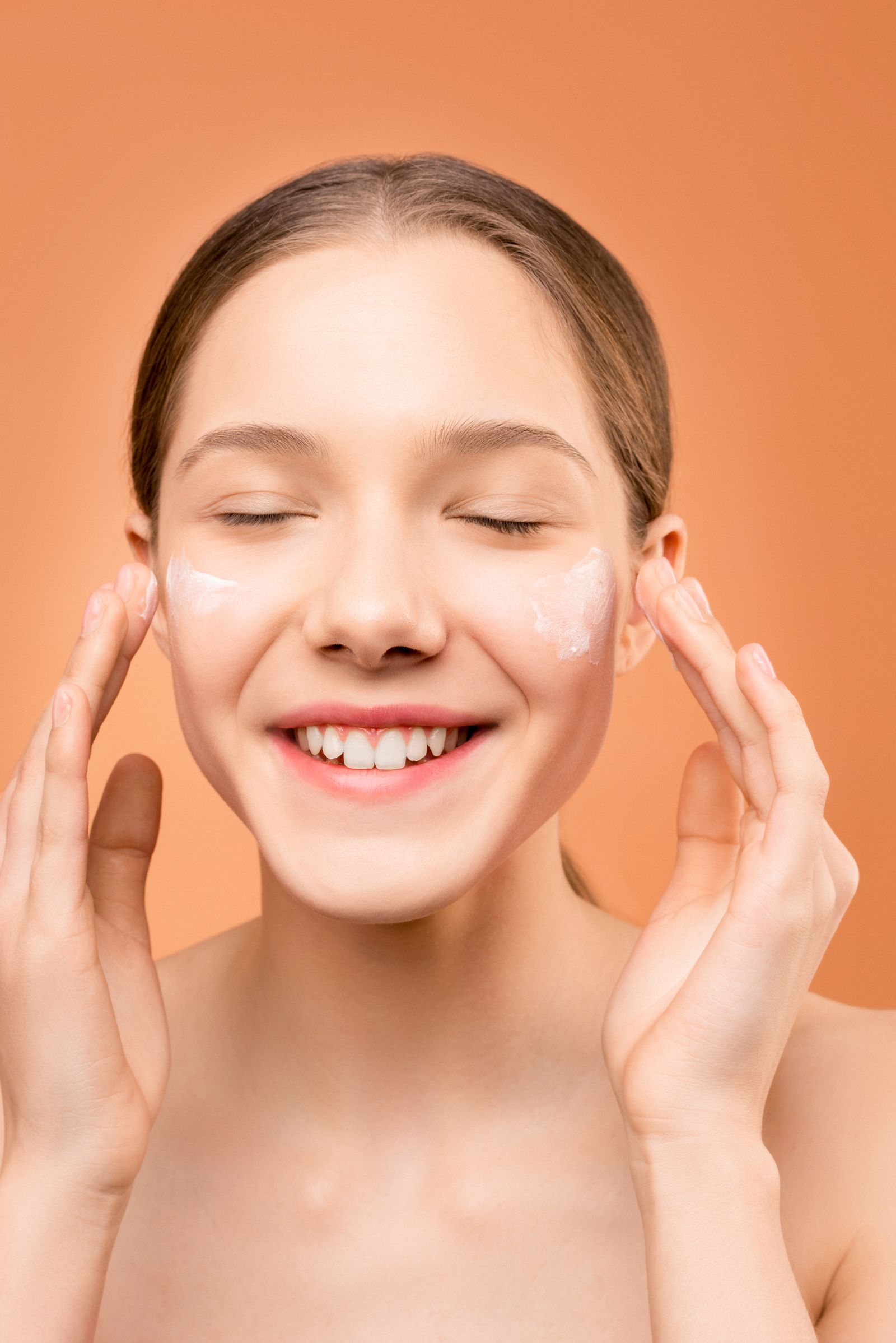
Skincare is simply the practice of caring for your skin consistently. Here is how to separate useful steps from unnecessary complexity.
Read the guide →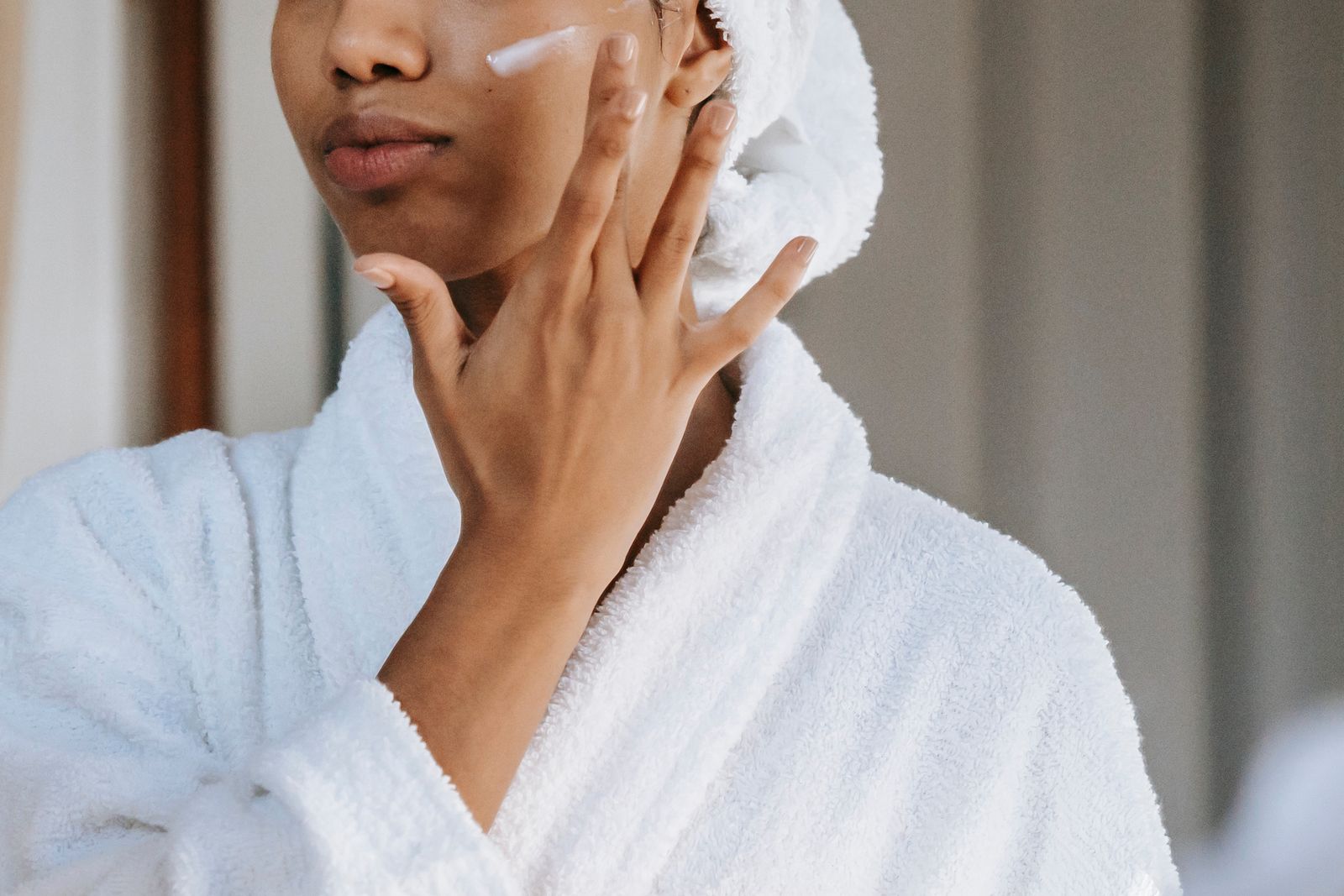
Texture, skin type, time of day and ingredients: the criteria that actually matter when choosing a face cream.
Read the guide →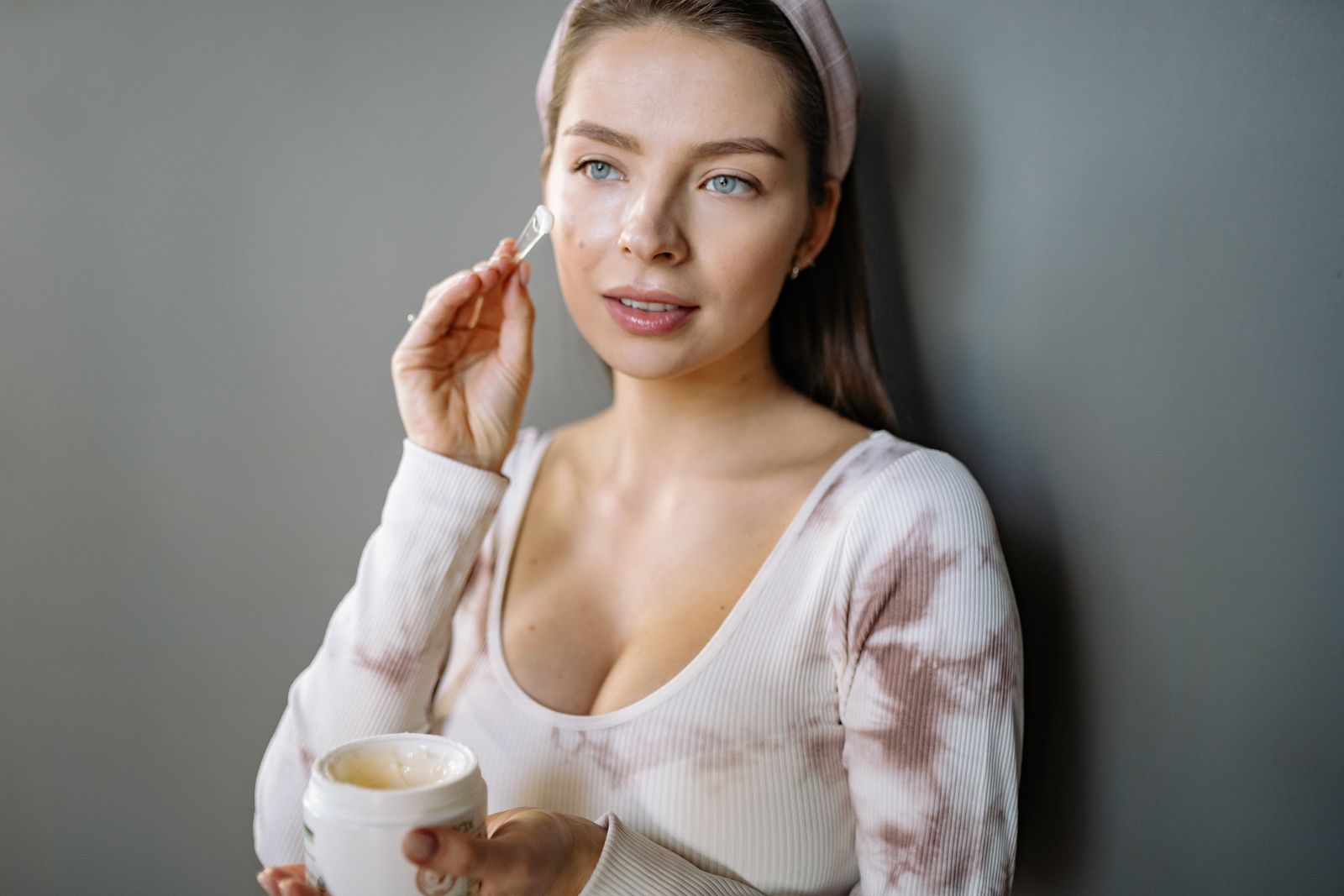
One of skincare’s most searched ingredients, explained without exaggerated promises: cosmetic role, use and pairing.
Read the guide →
A clear look at one of skincare’s most popular ingredients: why people use it, how to read a formula and why concentration is not everything.
Read the guide →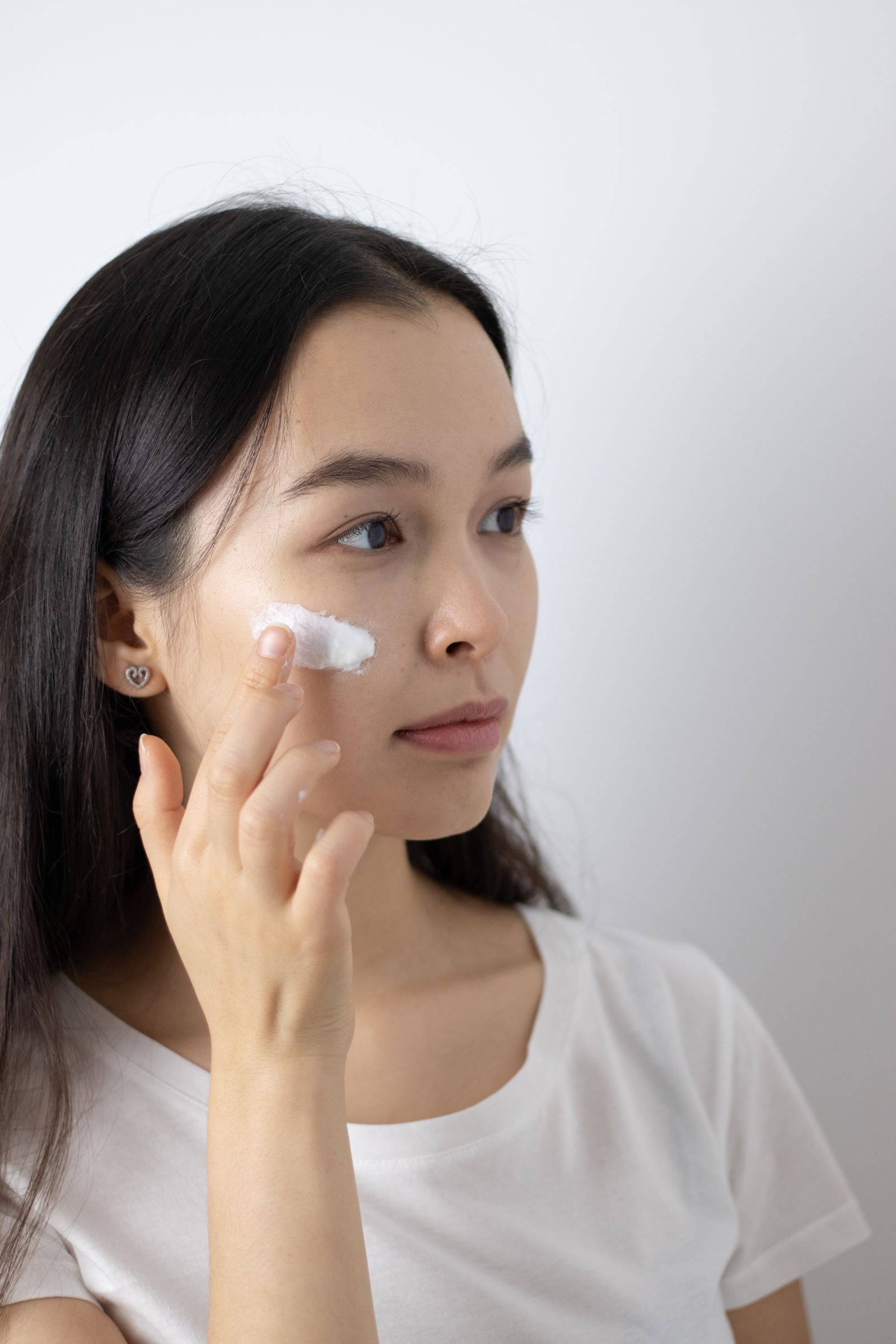
Retinol works best with method, patience and daily sun protection. Here is what to consider before adding it to your routine.
Read the guide →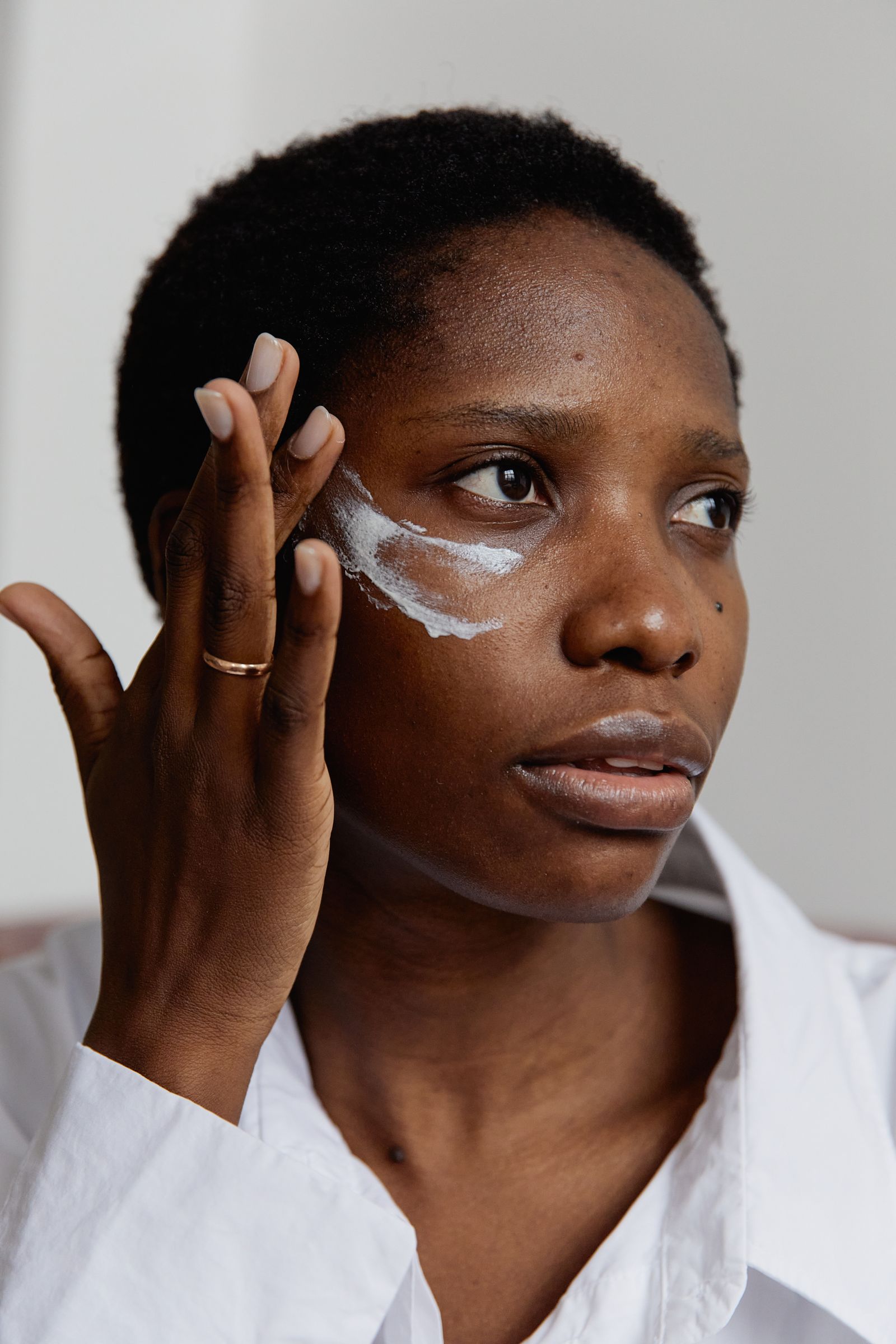
Seeing “vitamin C” on a label is not enough: form, formula, packaging and tolerance all matter.
Read the guide →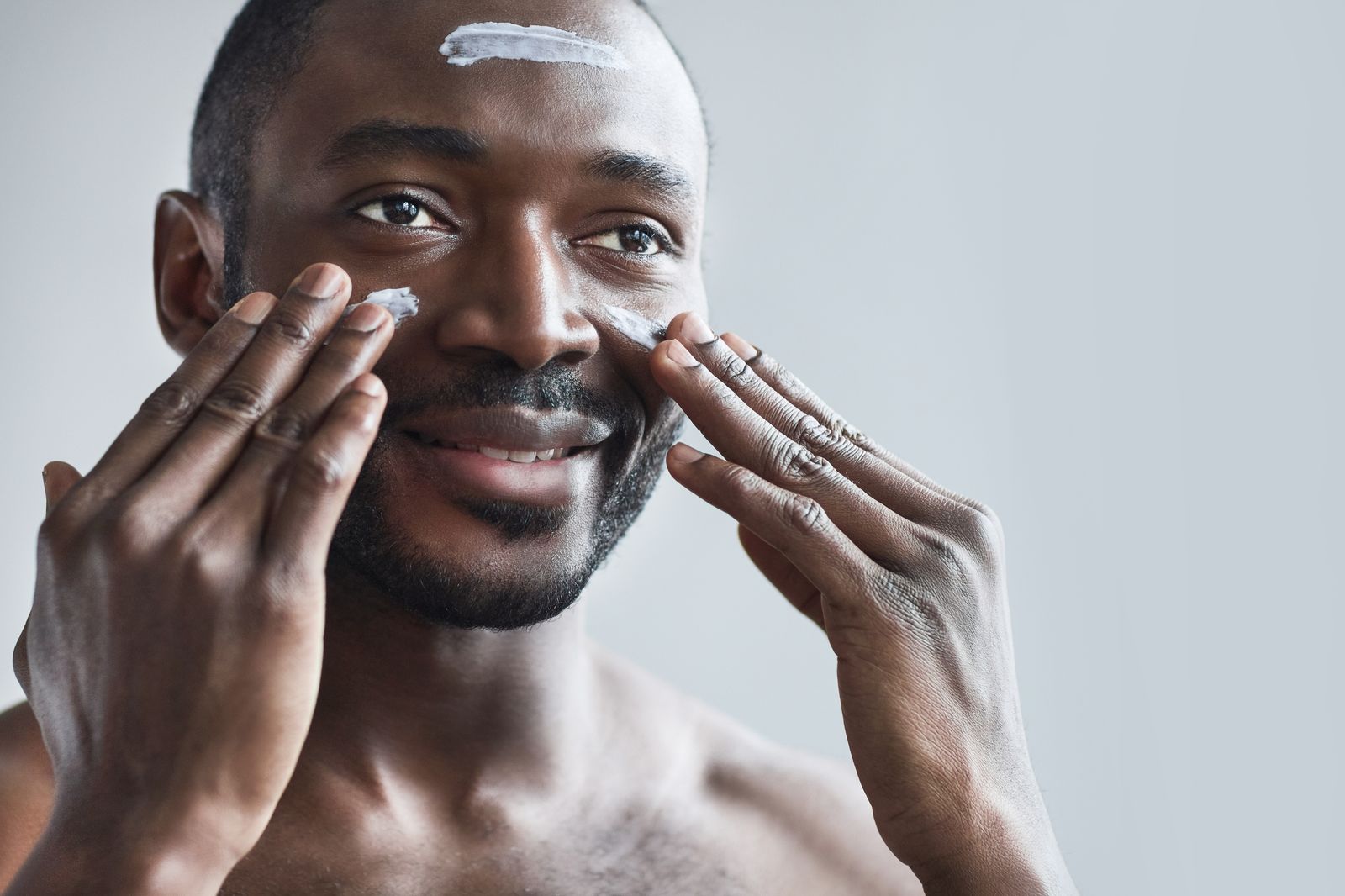
A serum is a format, not a promise. Learn to assess its function, texture and place in your routine.
Read the guide →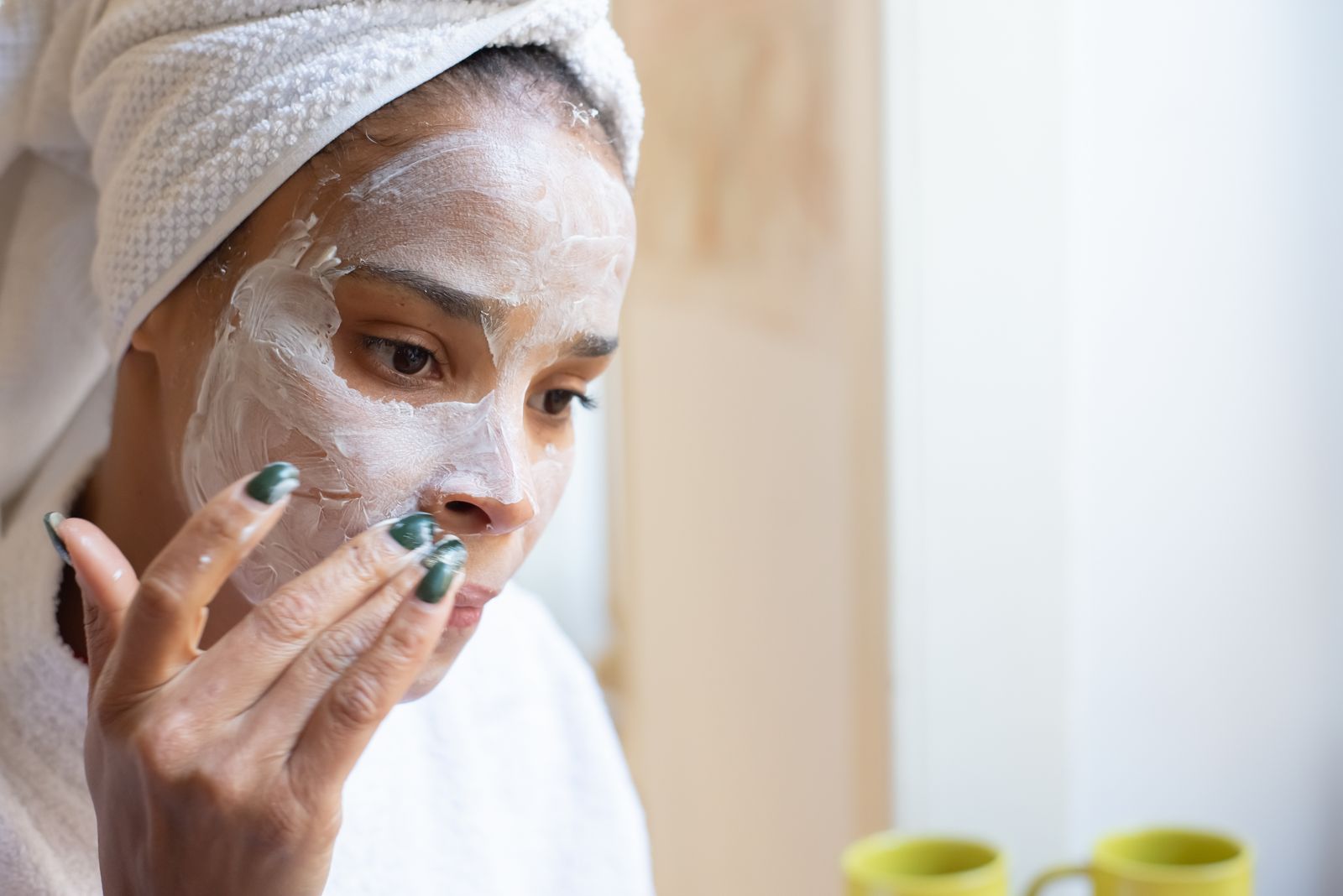
The eye area has specific needs, but it does not require ten products. Here is how to decide when a dedicated product makes sense.
Read the guide →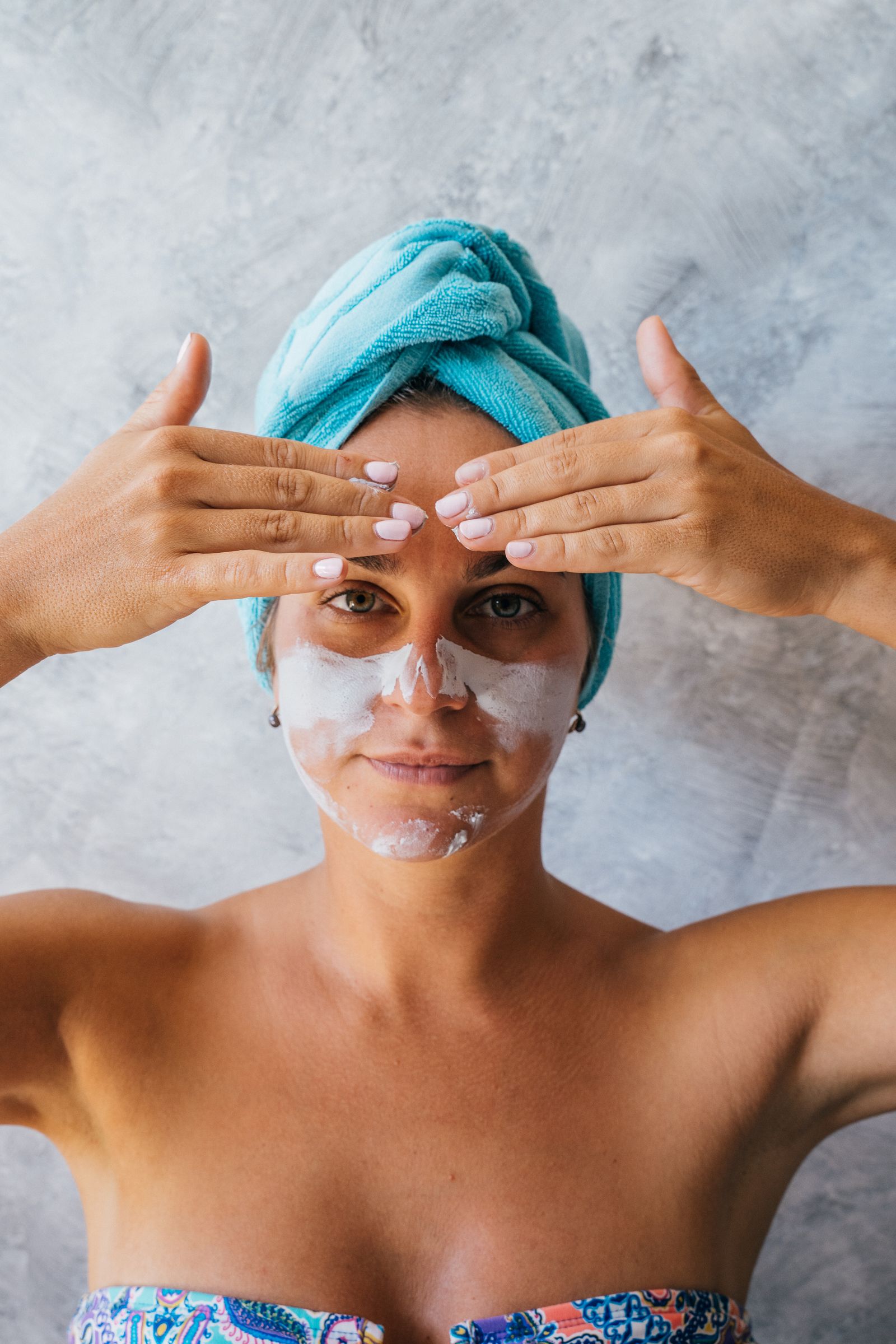
Good cleansing removes what needs to go without leaving skin unnecessarily stressed.
Read the guide →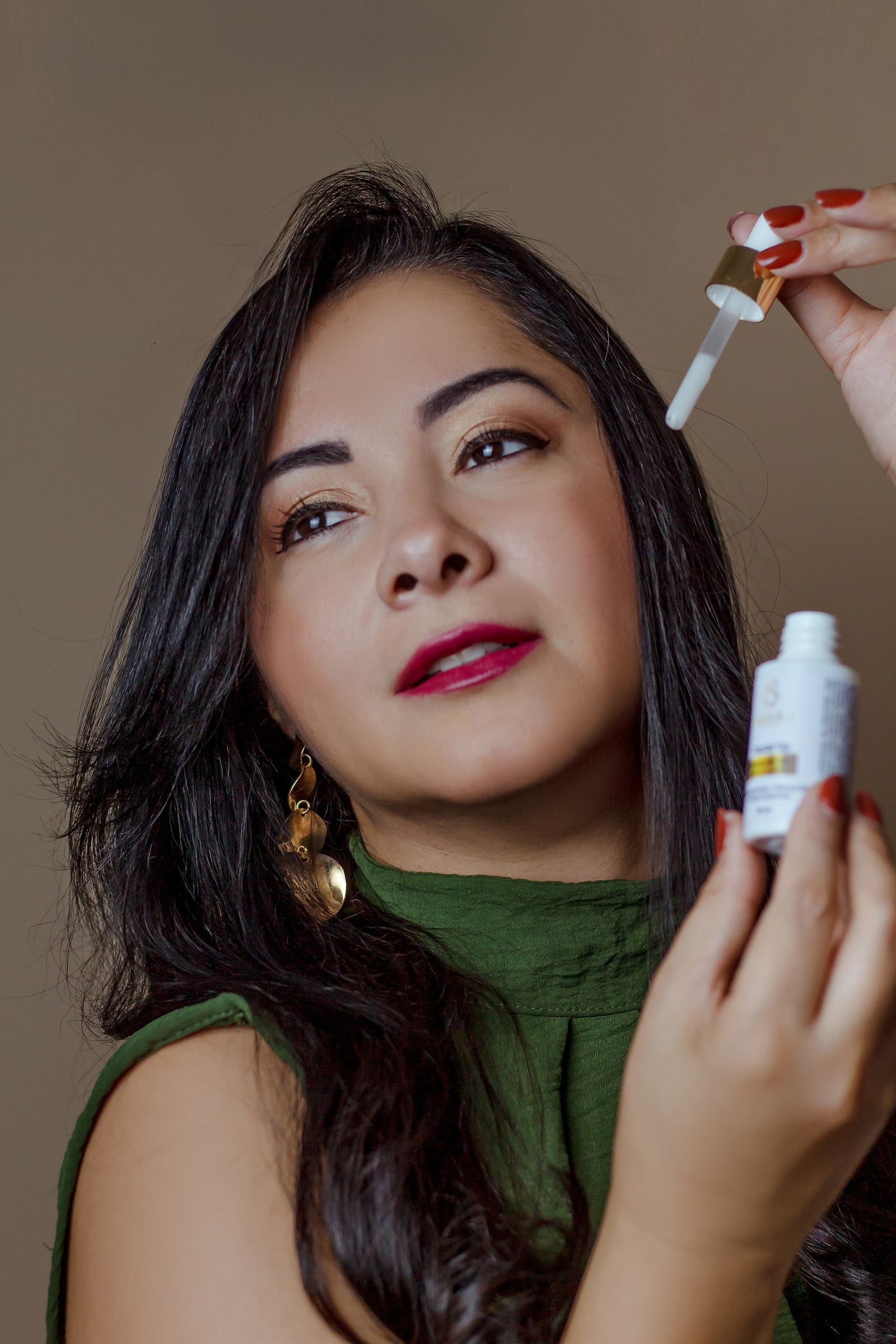
Oil, balm or gel first, cleanser second: the logic is simple, but the method is not mandatory for everyone.
Read the guide →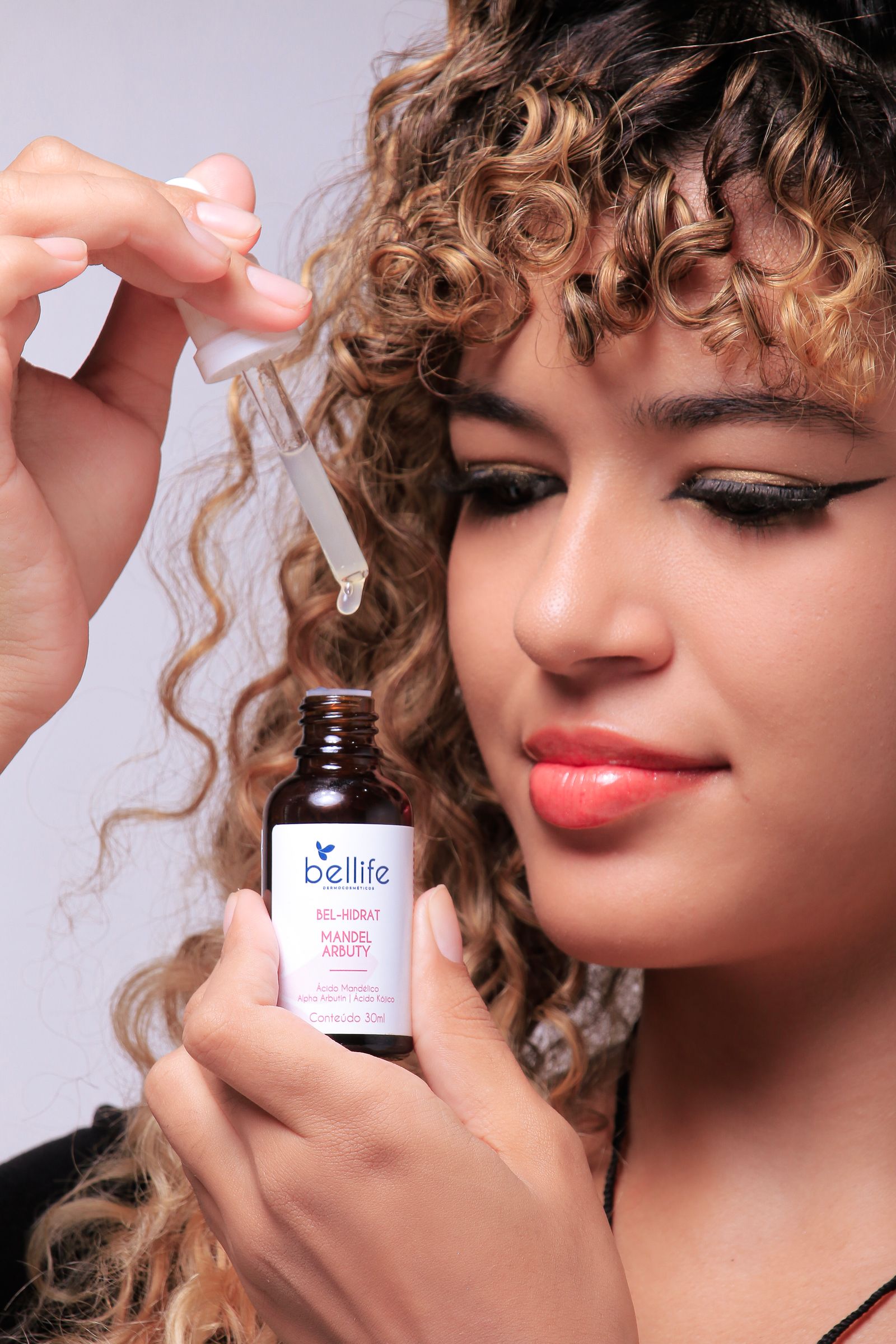
Moisturizing does not have to mean heaviness. Texture and formula should match your skin, climate and routine.
Read the guide →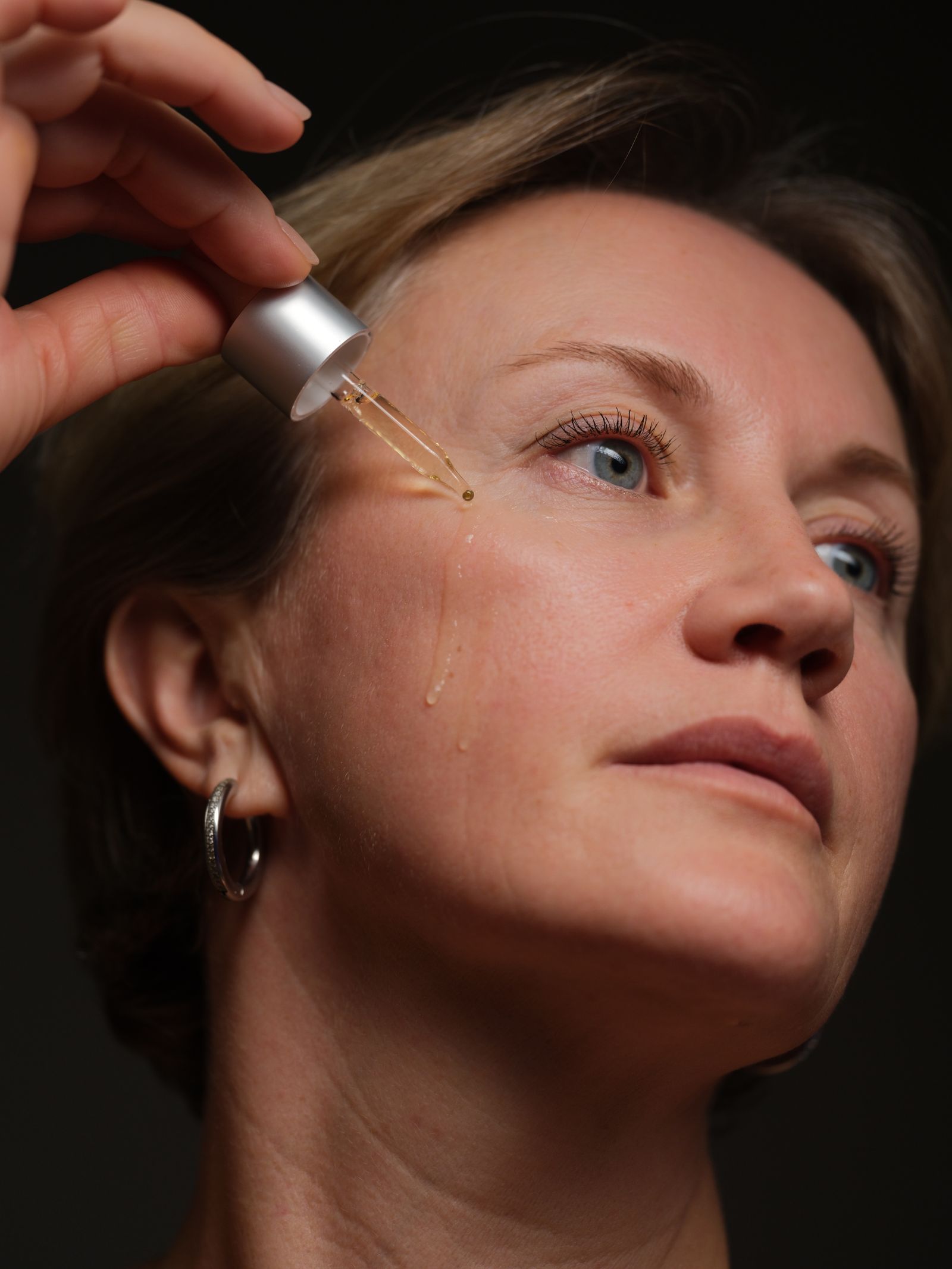
When skin feels tight or rough, adding more actives is not always the answer. A gentler, more consistent routine often makes more sense.
Read the guide →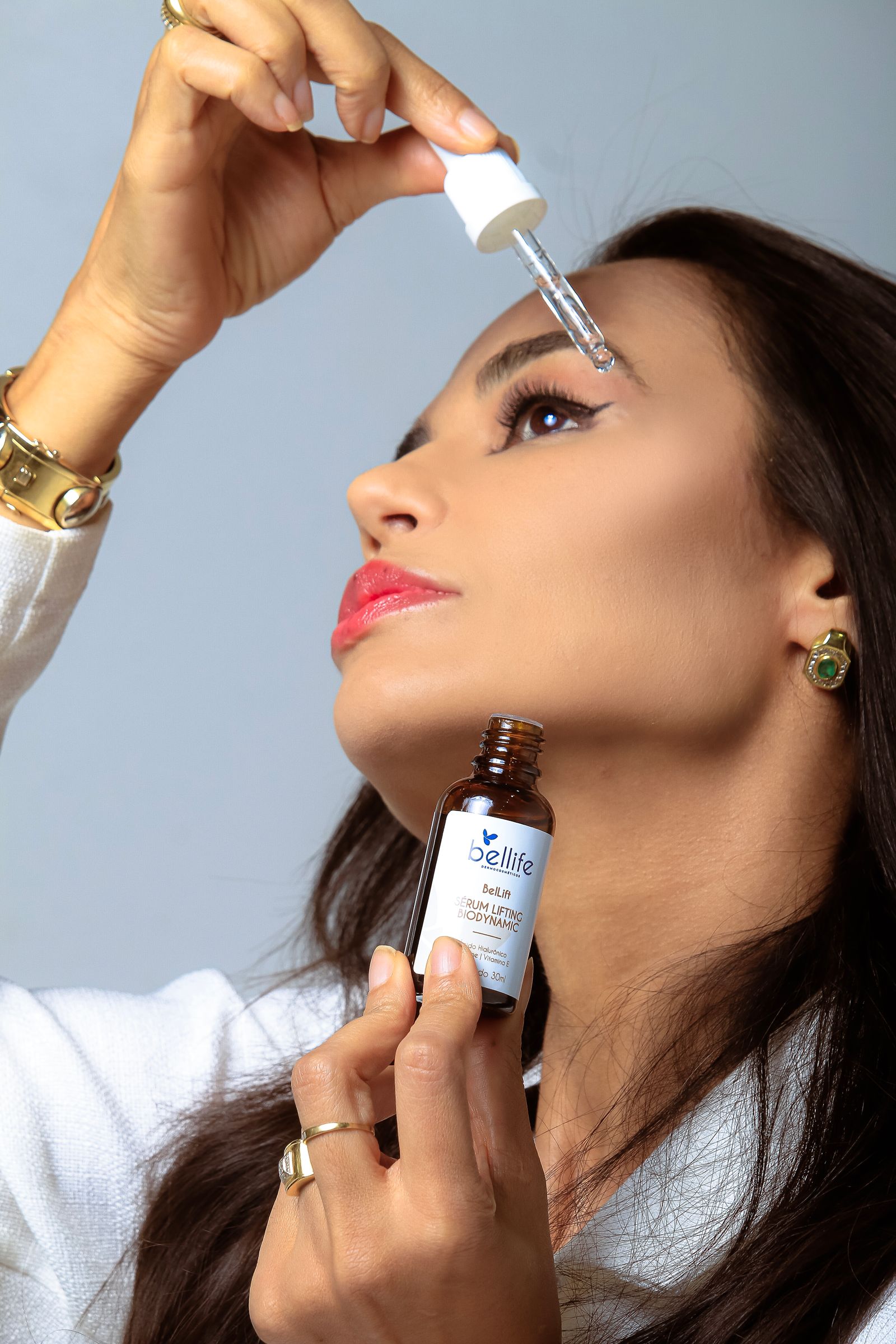
Shine and oil do not mean skin should be treated aggressively. Cleansing and moisturizing still matter.
Read the guide →
Fewer steps, readable formulas and gradual product changes: sensitive skin often rewards simplicity.
Read the guide →
An oilier T-zone and drier cheeks? Before building two routines, focus on balance, texture and how much product you use.
Read the guide →
Dehydration describes a temporary lack of water, not a permanent skin type.
Read the guide →
Skin has needs, not gender labels. A simple routine can start with cleansing, moisturizing and sun protection.
Read the guide →
From cleansing to richer textures: a practical logic for avoiding unnecessary layering.
Read the guide →
Hydration, texture and active ingredients can improve the appearance of skin, but responsible skincare separates cosmetics from absolute promises.
Read the guide →
Sunscreen is its own category: everyday skincare does not replace sun protection when UV exposure calls for it.
Read the guide →
Layering, ritual and texture have made K-beauty global. But the best routine is still the one you understand and can maintain.
Read the guide →
INCI, cosmetic function, labels and claims: a guide to moving from marketing language to informed reading.
Read the guide →
“Fragrance-free”, “no added fragrance” and “unscented” are not always interchangeable. The ingredient list is the place to start.
Read the guide →
You do not need to collect products. You need to understand function, order and how each product fits your skin and routine.
Read the guide →