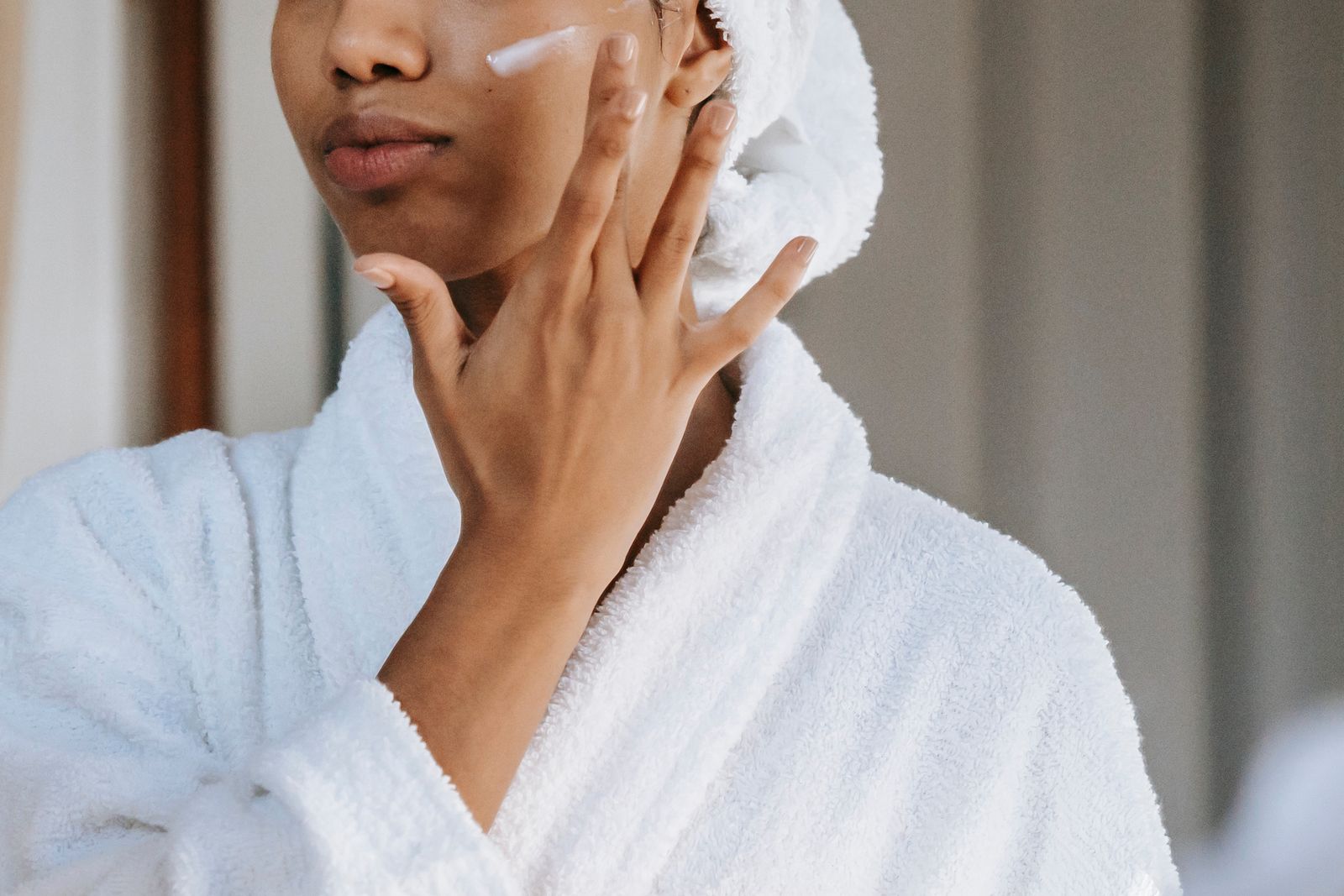
The short answer
Face cream combines humectant, emollient and often occlusive elements to support comfort and hydration; other ingredients shape the specific purpose of the formula.
Read a cosmetic product by its function before its trend status. Ask what it is supposed to do, what its texture is, where it belongs in the sequence and whether it adds something you are not already getting elsewhere.
The logic that matters
The same product category can contain very different formulas. Two creams, serums or cleansers may differ in texture, ingredients and purpose, so the format name alone does not tell the whole story.
Cosmetic formulas should be read as a whole. Ingredients, concentration, vehicle, packaging and directions all contribute to the experience and performance of the finished product.
How it fits into a routine
Choose lighter or richer textures according to skin, climate and how the product feels after application.
Introduce new products gradually, especially if your skin is reactive or you already use potentially irritating actives. Changing one thing at a time makes it easier to understand how your skin responds.
Mistakes to avoid
Common mistake: choosing only by the age printed on the pack rather than by your skin’s actual needs.
- Changing several products at once makes your skin response harder to interpret.
- A single ingredient does not define the quality of a finished formula.
- If irritation persists, stop and seek professional advice.
How to choose more intelligently
When assessing face cream, start with the real function, then look at formula, texture, frequency and how it fits with what you already use.
A simple example routine
Use this sequence as a map, not a prescription: in the morning cleanse if needed, apply the targeted step that makes sense for you, follow with a suitable moisturizer and finish with sunscreen whenever UV exposure requires it. In the evening remove makeup and residue, cleanse gently and use only the treatments your skin tolerates well.
The advantage of a simple structure is that you can understand what is happening. Changing one product at a time makes it easier to distinguish a cosmetic benefit from a reaction, coincidence or temporary effect.
Frequently asked questions
Can I use the same face cream morning and night?
Often yes, depending on the formula, texture and instructions.
How much face cream should I use?
Enough to cover face and neck comfortably without excessive residue; follow the product directions.
Serum or cream first?
Serum usually comes first when it has the lighter texture.
Sources and transparency
Editorial information only. It does not replace diagnosis or advice from a doctor or dermatologist.