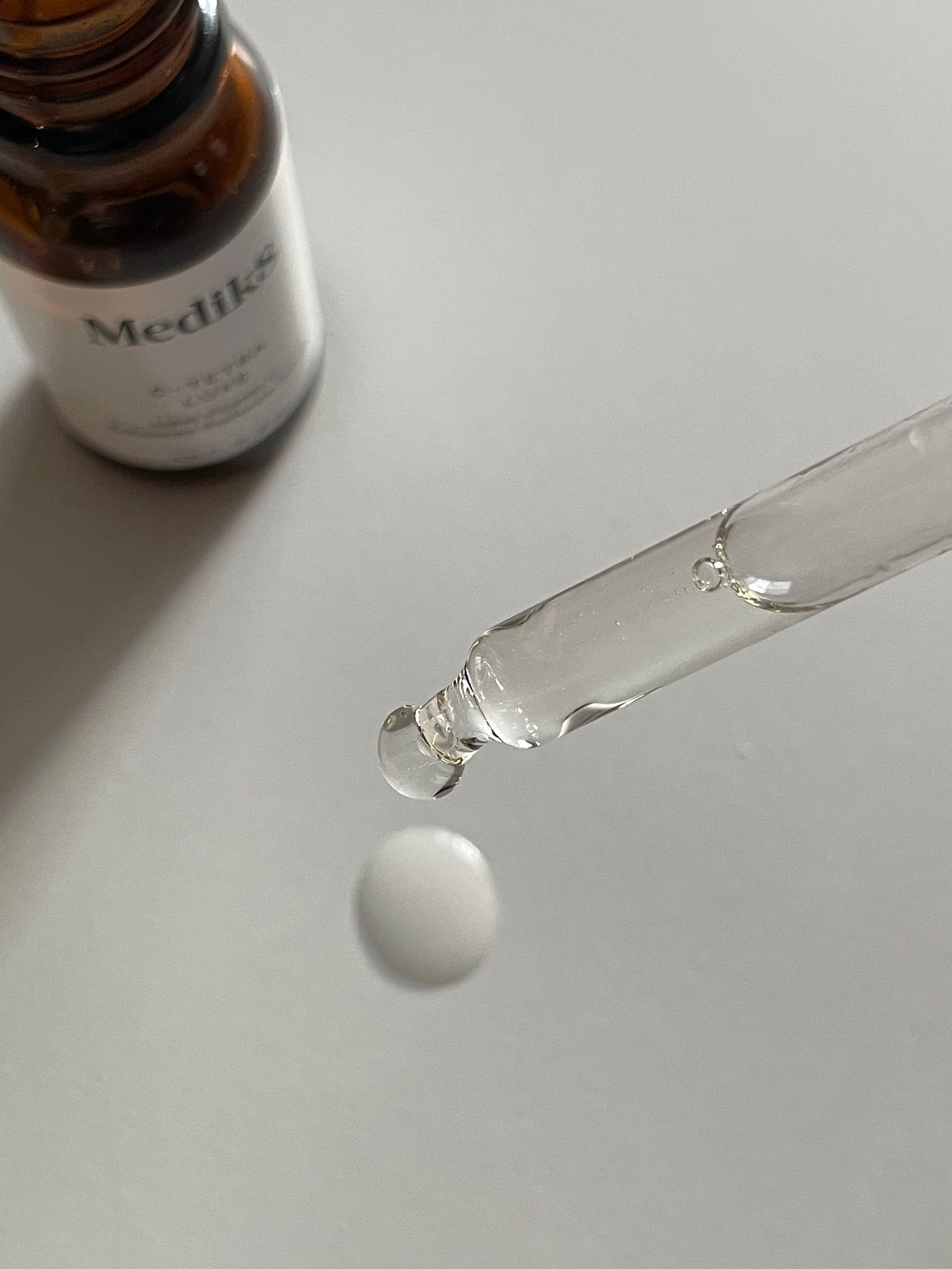
The short answer
Dehydrated skin is temporarily low in water and may feel tight or look dull. Even oily skin can be dehydrated.
Labels such as dry, oily, combination or sensitive can be useful, but skin can change with season, climate, age, habits and the products you use. Do not treat a skin type label as a permanent diagnosis.
The logic that matters
A sensible base is surprisingly simple: a gentle cleanser, an appropriate moisturizer and sun protection when needed. Actives come later and should answer a specific goal.
Cosmetic formulas should be read as a whole. Ingredients, concentration, vehicle, packaging and directions all contribute to the experience and performance of the finished product.
How it fits into a routine
Keep cleansing gentle and use humectants plus a moisturizer that helps retain water.
If redness, itching, pain, significant scaling or lesions persist, a skincare article cannot replace a dermatological assessment.
Mistakes to avoid
Common mistake: assuming dehydration always means you need the richest possible cream.
- Changing several products at once makes your skin response harder to interpret.
- A single ingredient does not define the quality of a finished formula.
- If irritation persists, stop and seek professional advice.
How to choose more intelligently
To understand dehydrated skin, notice how your skin behaves after cleansing, climate changes, daily habits and routine changes. One day does not define your skin type.
A simple example routine
Use this sequence as a map, not a prescription: in the morning cleanse if needed, apply the targeted step that makes sense for you, follow with a suitable moisturizer and finish with sunscreen whenever UV exposure requires it. In the evening remove makeup and residue, cleanse gently and use only the treatments your skin tolerates well.
The advantage of a simple structure is that you can understand what is happening. Changing one product at a time makes it easier to distinguish a cosmetic benefit from a reaction, coincidence or temporary effect.
Frequently asked questions
How can I tell if skin is dehydrated?
Tightness and dullness can be clues but are not diagnostic.
Can hyaluronic acid help?
It is a common cosmetic humectant, but the whole formula matters.
How long does dehydration take to improve?
There is no universal timeline; it depends on cause and routine.
Sources and transparency
Editorial information only. It does not replace diagnosis or advice from a doctor or dermatologist.